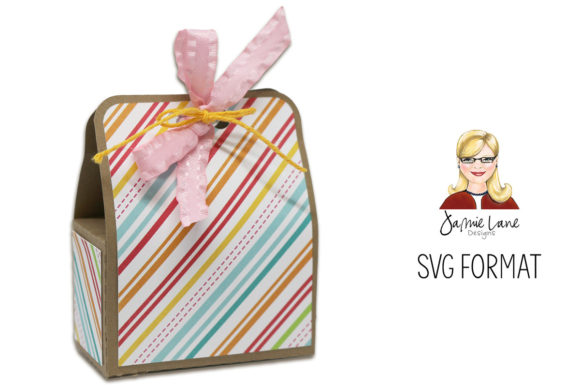
Small Tote Box: A Designer's Review for 3D Projects
As someone who spends hours hunched over an embroidery machine, tweaking densities and testing stabilizers, I approach every new digital embroidery file with a mix of curiosity and skepticism. We've all downloaded a design that looked perfect on the screen but turned into a bird's nest of thread breaks and puckering on the fabric. So, when I got my hands on the Small Tote Box, a 3D SVG cutting template designed for crafting physical boxes rather than just stitching flat logos, I wanted to see how it holds up in a real-world embroidery project. This isn't just about cutting cardstock; it's about integrating this shape into a broader craft business strategy where presentation is everything.
First Impressions: Mood and Visual Personality
The first thing that strikes me about the Small Tote Box is its versatility. In the world of Shapes, simplicity often wins, but this design manages to be functional without feeling generic. The layout suggests a clean, boutique aesthetic. It doesn't scream "mass-produced"; instead, it whispers "handmade with care." For an Etsy seller or a small shop product creator, this visual personality is crucial. The design naturally lends itself to themes of gifting, organization, and celebration. Whether you are aiming for a rustic wedding vibe or a modern nursery look, the structure of this tote box provides a solid foundation. It feels like a design that respects the end-user, offering a finished product that looks professional right out of the gate.
Real-World Application: Beyond the Cutting Mat
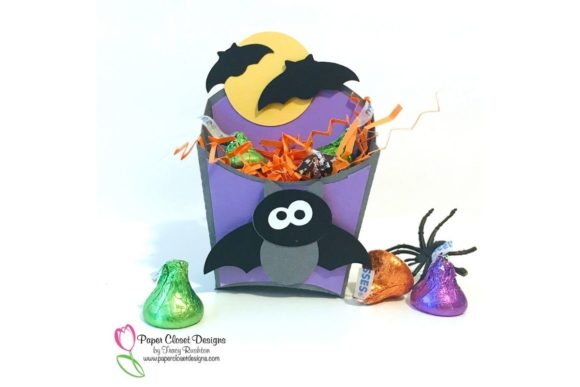
Let's talk about a specific scenario. Imagine a client orders a custom baby shower gift set. They want something unique, not just another onesie. This is where the Small Tote Box shines. Since the description notes it is perfect for holding small chocolates, rolled money, or serving as a tooth fairy box, I immediately envisioned pairing this with a sweatshirt embroidery design or a personalized tote bag design. You could embroider the baby's name on a linen napkin, place it inside the assembled box along with a small treat, and wrap the whole thing in cellophane.
The fact that this is a 3D SVG means it adds a tactile dimension to your handmade product lineup. While we usually focus on machine embroidery design for apparel, incorporating a constructed element like this elevates the perceived value. It transforms a simple transaction into an experience. For holiday embroidery projects, think of filling these with ornaments or cookies. For wedding gifts, they could hold favors. The key here is that the box itself becomes part of the branding. If you are selling design assets or finished goods, the consistency between your stitched items and your packaging creates a cohesive brand identity that builds customer trust.
Technical Considerations for Embroidery Integration
Now, let's get into the nitty-gritty that every apparel decorator and creative entrepreneur needs to consider. While the Small Tote Box is primarily a cutting template, using it effectively in conjunction with embroidery requires some forethought. If you plan to embroider the material before assembling the box, you need to be mindful of fabric texture and weight. Cardstock and heavy cotton canvases behave very differently from the jersey knits used in custom apparel.
If you are adapting the concept to create an embroidered patch that mimics this tote shape, or if you are stitching directly onto the fabric panels before construction, pay close attention to stitch density. High-density fill stitch areas can cause thin materials to warp, making assembly difficult. A satin stitch border might offer a cleaner edge for this specific shape, providing definition without adding bulk. Always test your embroidery file settings on scrap fabric first. What looks good on a standard hoop size for a t-shirt might need adjustment when working on the stiffer materials required for a 3D structure.
Furthermore, consider the thread colors against the material. If you are using dark kraft paper or colored cardstock, standard thread might not pop. Conversely, if you are using light fabric for a baby embroidery project, ensure your running stitch outlines are subtle enough not to overwhelm the delicate nature of the item. The goal is to enhance the Small Tote Box, not let the stitching dominate the form.
Navigating Challenges: Where to Be Careful
No design is without its challenges, and practical judgment is required here. If you attempt to use this design on textured fabrics or stretchy materials without proper backing, you risk distortion. The structural integrity of a 3D object relies on precision. If the cut lines are off due to fabric shifting during stitching, the box won't fold correctly. This is particularly relevant for curved surfaces like caps or layered garments where stability is hard to maintain.
Also, be wary of tiny details. If the design includes intricate cut-outs or very small connection points, these can be fragile, especially if the final product needs frequent washing or handling. For items like kitchen towels or pillow covers that see heavy use, ensure that any embroidered elements associated with the box design are secure. If you are creating a printable mockup for your online store, make sure the digital representation accurately reflects the physical limitations of the material you choose. Over-promising on durability in your listings can lead to disappointed customers.
Enhancing Value and Professionalism
Ultimately, the Small Tote Box is a tool for increasing the perceived value of your work. In the competitive landscape of commercial embroidery and handmade sales, presentation is often the deciding factor for a buyer. A well-executed box signals professionalism. It tells the customer that you care about the details. This attention to detail fosters brand consistency and encourages repeat business. When a customer receives a gift packaged in a custom-made, thoughtfully designed container, the emotional connection to the brand strengthens.
For digital product sellers, offering this as part of a bundle with matching embroidery files could be a lucrative avenue. It provides a complete solution for the maker, saving them time and inspiring creativity. However, always confirm licensing terms before selling finished items or digital products derived from this template. Ensure you have the rights to use the design for commercial embroidery projects and that your usage aligns with the creator's terms.
Final Verdict and Designer Notes
In conclusion, the Small Tote Box is a promising addition to any designer's library, particularly for those looking to expand beyond flat textiles into 3D gifting solutions. Its strength lies in its adaptability and clean aesthetic. To get the best results, I recommend checking the specific dimensions to ensure they fit your 8x12 or 12x12 mats as advertised. Test the assembly process with your chosen material before committing to a large batch. Compare how the design looks on both light and dark backgrounds to maximize visual appeal.
Remember, the success of this project depends on the harmony between the cut and the stitch. Take the time to refine your stabilizer choice and verify that your machine handles the material thickness well. With the right approach, this 3D SVG can become a staple in your craft business, helping you create memorable personalized gifts and standout small shop products that customers will love. It's a reminder that sometimes the most impactful designs are the ones that serve a purpose while looking beautiful doing it.