Review: Loving You Paper Cut Light Box 243 for Stitchers
As a designer who spends more time staring at stitch maps than most people spend on their phones, I approach every new machine embroidery design with a mix of curiosity and skepticism. We've all been there: you buy a file that looks stunning in the preview, only to find out it's a nightmare to stitch or looks muddy on actual fabric. Today, I'm taking a close look at Loving You Paper Cut Light Box 243. While this asset originates in the world of Shadow Boxes and 3D SVG templates for paper crafters, my job is to translate that layered aesthetic into thread. Does this intricate, romantic design hold up under the needle, or is it strictly for the Cricut crowd?
The First Impression: Mood and Visual Personality
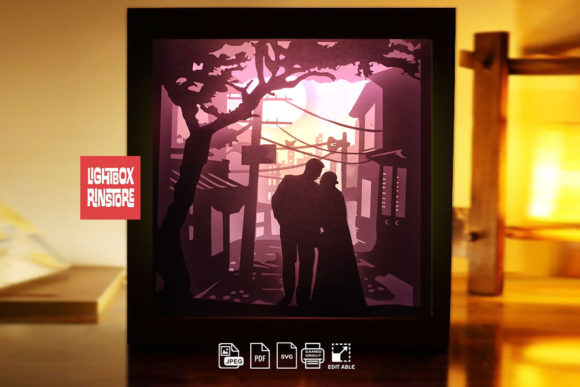
Opening up the file for Loving You Paper Cut Light Box 243, the first thing that strikes me is the depth. Even as a flat digital file, the layering suggests a story. The "paper cut" style relies heavily on negative space and overlapping elements to create a 3D illusion. For an embroiderer, this translates to a design rich in potential texture. The theme is undeniably romantic and warm, perfect for projects that need to evoke emotion without being overly cheesy. It feels boutique-ready, possessing a visual personality that leans towards high-end handmade goods rather than mass-produced novelty items.
The layout is complex, featuring fine details that mimic the precision of laser-cut cardstock. In a finished product, this level of detail can be a double-edged sword. It offers incredible visual appeal if executed correctly, but it demands respect from the operator. The design isn't just a logo; it's a scene. This makes it ideal for statement pieces where the embroidery is the hero, rather than a subtle accent on a pocket.
Real-World Application: From Digital File to Handmade Product
Let's get practical. Imagine I have a client who runs a small boutique specializing in personalized baby gifts and wedding keepsakes. They want something unique for a new mother—a sweatshirt embroidery piece that feels like art, not just a name slapped on a chest. Loving You Paper Cut Light Box 243 fits this brief perfectly. Because the design mimics a shadow box, it naturally draws the eye and invites touch.
I can visualize this design working beautifully on a high-quality cotton tote bag. The structure of a canvas tote supports the density required for such a detailed image. If I were to use this for a tote bag design, I would likely scale it up to ensure the finer "cut" layers don't get lost in the weave of the fabric. Alternatively, for a holiday embroidery project, this could serve as the centerpiece of a decorative pillow cover. The romantic motif aligns well with Valentine's Day, anniversaries, or even nursery decor where a soft, loving theme is desired.
For Etsy sellers and craft business owners, the versatility here is key. This isn't just for apparel. Think about embroidered patches. If you digitize this specifically for a patch format (adding a merrowed border and adjusting density), it could become a best-selling embroidered patch for customers to iron onto jackets or bags. The "paper cut" aesthetic is trendy right now, and translating that into thread gives you a unique selling point in a crowded marketplace.
Technical Challenges and Fabric Considerations
Here is where experience matters. Translating a 3D SVG meant for paper into an embroidery file requires careful consideration of stitch density. Paper doesn't pucker; fabric does. If you attempt to stitch Loving You Paper Cut Light Box 243 exactly as a dense fill without testing, you risk creating a stiff, cardboard-like patch that ruins the drape of a garment.
You must be cautious with stretchy fabric. A design with this much detail and potential coverage is not suitable for thin jersey knits unless you are an expert in stabilization. For a baby embroidery project, comfort is paramount. I would advise against placing this directly on a onesie where it touches the skin. Instead, consider an applique design approach. Stitch the outline on a separate piece of stable fabric, cut it out, and then applique it onto the garment. This preserves the softness of the base material while showcasing the intricate design.
Curved surfaces present another hurdle. If you are thinking about putting this on a cap, stop and reconsider. The complex layers and potential width of the design may not conform well to the front panel of a structured hat. The distortion could ruin the "perfect cut" look that defines this style. It is far better suited for flat or slightly curved surfaces like pillow covers, aprons, or the back of a denim jacket.
Maximizing Value and Professionalism
The perceived value of a handmade product often hinges on the clarity of the stitching. With Loving You Paper Cut Light Box 243, the goal is to maintain the crisp edges that define the paper-cut style. Blurry edges or excessive pull compensation can make the design look amateurish. When done right, however, this design elevates the custom apparel from a simple gift to a collectible item.
Customer trust is built on consistency. If you sell this as part of a small shop product line, ensure your thread choices are consistent. High-contrast thread colors can enhance the 3D effect, making the layers pop. Conversely, a monochromatic scheme using varying shades of one color can create a sophisticated, tonal look that appeals to a more mature demographic. Testing the design in black and white mockups before stitching is a crucial step to verify that the contrast holds up without relying on color alone.
Designer Notes for Successful Execution
Before you commit to a final run, here are my non-negotiable steps for handling a design like this:
- Test on Scrap First: Never skip this. Use the exact fabric and stabilizer combination you plan to use for the final item. Check for puckering and registration issues between layers.
- Stabilizer Selection: Given the likely density, a cut-away stabilizer is probably safer than tear-away, especially for items that will be washed frequently. This ensures the finished product maintains its shape over time.
- Hoop Size Verification: Ensure your machine's hoop size can accommodate the full design. If the design is large, you may need a jumbo hoop or a strategy to split the design, though splitting is risky for this specific aesthetic.
- Thread Contrast: Play with gloss vs. matte threads. Sometimes a matte thread on a shiny fabric (or vice versa) can mimic the light and shadow of the original paper cut concept better than standard rayon.
- Licensing Check: Since this originates from a collection of digital files often sold for paper crafting, you must confirm the license terms. Just because you bought the SVG for a Cricut project doesn't automatically grant rights for commercial commercial embroidery sales. Always verify if the creator allows for physical goods resale.
In conclusion, Loving You Paper Cut Light Box 243 is a visually striking asset that, with the right technical adjustments, can transition beautifully from the realm of paper crafts to high-quality embroidery. It rewards the careful planner and punishes the rushed executor. For the creative entrepreneur willing to put in the prep work, it offers a pathway to creating truly distinctive, emotionally resonant products that stand out in any Etsy listing or boutique display.