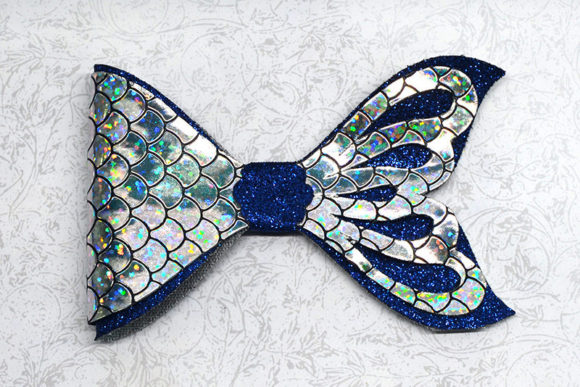
Fish Tail Bow Template: A Designer's Review for Real Projects
As someone who spends hours digitizing, stitching, and critiquing machine embroidery design files, I approach every new asset with a critical eye. It is not just about whether the file opens; it is about how that design translates from a screen to a tangible finished product. Recently, I evaluated the Fish Tail Bow Template, a versatile 3D SVG asset categorized under Shapes. While many templates promise versatility, this one stands out for its clean geometry and adaptability across various crafting mediums, from cutting machines to traditional scissors.
First Impressions and Visual Personality
The moment you load the Fish Tail Bow Template, the first thing that strikes me is its structural integrity. In the world of bows, symmetry is everything. A lopsided tail or uneven loops can ruin the aesthetic of an entire garment. This template offers a classic silhouette that feels both timeless and trendy. The "fish tail" cut gives it a playful yet polished edge, making it suitable for everything from rustic farmhouse decor to chic boutique apparel.
Unlike overly complex designs that rely on excessive detail, this shape relies on form. For an embroidery project, this is often a strength. Simpler shapes tend to stitch out cleaner, especially when scaled down for baby items or up for large tote bags. The visual personality is friendly and inviting, creating a mood of handmade warmth that customers instantly connect with. Whether you are using it as a standalone applique design or incorporating it into a larger composition, the layout feels balanced and professional.
Real-World Application: The Boutique Sweatshirt Scenario
To truly test the viability of this template, I imagined a real-life scenario common among Etsy sellers and craft business owners: creating a custom line of personalized sweatshirts for a local boutique. The goal was to produce a custom apparel item that felt high-end but remained cost-effective to produce.
In this context, the Fish Tail Bow Template shines. I envisioned placing the bow on the left chest of a heavyweight cotton blend sweatshirt. Because the design is a 3D SVG, it allows for layering. You could cut the base from felt or faux leather and then add satin stitch detailing on top, or use the template to create a dimensional fabric bow that is then appliquéd onto the garment.
For a holiday embroidery collection, imagine these bows in red glitter vinyl or green felt attached to tote bag design concepts. The reaction from a potential buyer would likely be positive because the shape implies effort and attention to detail. It elevates a basic sweatshirt into a handmade product with perceived higher value. The clarity of the shape ensures that even from a distance, the design reads clearly, which is crucial for brand recognition and customer trust.
Navigating Fabric Textures and Hoop Limitations
However, no design is without its challenges, and practical judgment requires knowing where to exercise caution. When working with the Fish Tail Bow Template on textured fabrics like terry cloth towels or thick fleece, the definition of the "fish tail" cut can sometimes get lost if the stitching isn't precise. If you are converting this shape into a stitched design using satin stitch or fill stitch, you must consider the stitch density.
On stretchy fabrics, such as those used for baby embroidery projects, a dense fill might cause puckering. In these cases, I recommend using a high-quality cutaway stabilizer to support the weight of the threads. Additionally, if you are attempting to place this on curved surfaces like caps, the rigid nature of a bow shape can be tricky. It requires careful hooping and potentially a foam backing to maintain that 3D pop without distorting the fabric underneath.
Small hoop sizes present another consideration. If you scale the Fish Tail Bow Template down too much for a pocket logo or a tiny embroidered patch, the intricate corners of the fish tail might merge. Always test your embroidery file at the intended size on scrap fabric first. Check the thread colors against the background; a dark bow on a dark sweatshirt embroidery base needs a contrasting outline or backing to ensure visibility.
Enhancing Product Value and Brand Consistency
For small shop product lines, consistency is key. Using a reliable template like this helps maintain a cohesive look across different items. Whether you are making hair bows, tie bows, or decorative accents for pillow covers, the uniformity of the shape reinforces your brand identity. Customers appreciate when a personalized gift looks professionally executed rather than haphazardly assembled.
The versatility of materials mentioned in the description—faux leather, glitter EVA, laminated fabric—opens doors for diverse revenue streams. An Etsy seller could offer digital downloads of the template for other crafters or sell physical design assets like pre-cut bow kits. The ability to use standard scissors or a cutting machine makes it accessible to hobbyists who may not own expensive equipment, broadening your potential market.
Practical Notes for Designers and Makers
Before committing to a full production run or listing this as a commercial item, keep these practical tips in mind:
- Test First: Always stitch or cut a prototype on scrap material similar to your final fabric to check for sizing and tension issues.
- Contrast Check: Review how the design looks in black and white mockups to ensure the shape holds up without relying on color.
- Stabilizer Selection: Match your stabilizer to the fabric weight; heavy fabrics need strong support to prevent the bow from sagging over time.
- Licensing Verification: Since this is a template intended for various uses, confirm the licensing terms before selling finished items or digital derivatives. Ensure it aligns with your commercial embroidery goals.
- Detail Inspection: Pay close attention to the inner corners of the fish tail. If digitizing for embroidery, ensure your machine can handle the sharp turns without thread breaks.
Ultimately, the Fish Tail Bow Template is a solid addition to any designer's library. It bridges the gap between simple shapes and complex embellishments, offering a professional finish to custom apparel, home decor, and accessories. By understanding its strengths and respecting its limitations regarding fabric choice and stitch density, you can create stunning, market-ready products that resonate with buyers. Whether for a wedding gift, a nursery decoration, or a line of boutique merchandise, this template provides the foundation for high-quality, creative expression.