Dandelion Layered Card SVG: A Designer's Review
As a designer who spends most of my days toggling between vector software and embroidery machines, I approach every new file with a critical eye. We often see digital assets that look stunning on a screen but fall apart when translated into thread or physical layers. Today, I am evaluating the Dandelion Layered Card SVG Cut File. While this product is categorized under Pop-Up Cards and described as a 3D SVG template for paper crafting, my interest lies in its potential adaptation for mixed-media embroidery projects and boutique merchandise. Can a file designed for a 7x5" greetings card translate effectively into the world of custom apparel and handmade goods? Let's dig into the practical realities.
First Impressions: Mood and Visual Personality
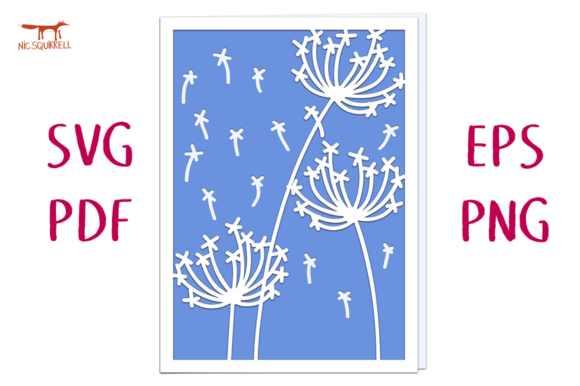
The moment you open the Dandelion Layered Card SVG Cut File, the mood is immediately clear: whimsical, gentle, and nostalgic. The dandelion theme carries a universal appeal, often associated with making wishes, new beginnings, or the fleeting nature of time. Visually, the "layered" aspect suggests depth. In a paper context, this means physical stacking; in an embroidery context, it hints at opportunities for dimensional applique or varied stitch types to create shadow and form.
The layout appears balanced for a standard greeting format, which usually translates well to centered chest placements on sweatshirts or focal points on tote bags. However, because this is fundamentally a 3D SVG intended for papercutting, the lines are likely optimized for cutting blades rather than needle penetration. This distinction is crucial. The visual personality is soft and organic, making it a strong candidate for baby embroidery, nursery decor, or spring-themed holiday gifts. It lacks the aggressive boldness required for high-contrast streetwear but excels in the realm of personalized gifts and boutique branding where subtlety sells.
Real-World Application: From Screen to Stitch
To truly test the viability of this design, I imagined a specific real-life scenario: preparing a custom order for a local boutique expecting a run of embroidered linen aprons and canvas tote bags. The client wanted something that felt handmade and artisanal. The Dandelion Layered Card SVG Cut File seemed like a perfect starting point for a hybrid approach.
In this scenario, I wouldn't use the file directly as a machine embroidery design without modification. Instead, I would use the SVG layers to create precise fabric applique shapes. By cutting the dandelion layers from contrasting fabrics—perhaps a soft cream linen against a sage green background—I could mimic the intended 3D effect of the original Pop-Up Cards concept. Once appliqued, the design becomes a stable base for embroidery. I would utilize a satin stitch for the stems to give them a sleek, defined look, and a lighter fill stitch or even running stitch details for the seed heads to maintain airiness.
This approach works exceptionally well for custom apparel like oversized sweatshirts or t-shirts. The layered structure allows for texture play that flat embroidery sometimes misses. For an embroidered patch, this design could be digitized with a merrow edge, using the layers to create a multi-tonal effect that catches the light. For Etsy sellers looking to differentiate their small shop products, offering a "dimensional" dandelion design created from this SVG could be a unique selling point compared to standard flat digitizations.
Technical Considerations and Fabric Challenges
While the aesthetic potential is high, there are technical hurdles to navigate. Since the Dandelion Layered Card SVG Cut File is originally a 7x5" template, scale is the first concern. A 7-inch design is quite large for a cap or a small pocket. If you intend to use this on curved surfaces like caps, you must significantly reduce the size. Be warned: reducing a layered design can cause tiny details to merge or become un-stitchable. The delicate "seeds" of the dandelion might disappear if scaled down too far without re-digitizing.
Fabric choice is equally critical. On textured fabrics like thick towels or rough canvas, the fine lines of the dandelion seeds might get lost. Conversely, on stretchy fabric or thin knits used for baby clothes, the density of multiple layers (if appliqued) could cause puckering. It is vital to use the correct stabilizer. For a project of this nature, a cut-away stabilizer is often safer than tear-away, especially if the finished product will undergo frequent washing.
Furthermore, consider the stitch density. If you attempt to fill every layer of this 3D SVG with thread, the result could be stiff and board-like. A professional touch involves leaving negative space. Use the SVG outlines as a guide but exercise restraint with thread coverage. When working on dark fabric, ensure your thread colors have enough contrast. A white dandelion on black looks striking, but if the layers are too close in value, the dimensional effect vanishes.
Enhancing Brand Value and Customer Trust
How does this file affect your bottom line? In the world of commercial embroidery and craft business, consistency is key. Using a well-structured file like the Dandelion Layered Card SVG Cut File allows for repeatable results. When a customer receives a personalized gift or a piece of custom apparel that features clean lines and thoughtful texture, it builds trust. They perceive higher value in a item that looks complex and tactile.
For digital product sellers, this file offers versatility. You can create printable mockups showing the design on various items—pillow covers, tea towels, or wall art—to showcase in your online store before ever stitching a thread. This visual preparation helps buyers envision the finished product, increasing buyer engagement. However, always remember that presenting a cut file as an embroidery file without proper digitizing can lead to disappointed customers. Transparency about the file type is essential for maintaining professionalism.
Practical Notes for the Working Designer
Before committing this design to a client project or adding it to your inventory, follow these practical steps:
- Test on Scrap First: Never skip the stitch-out test. Use the same fabric and stabilizer combination you plan to use for the final item.
- Check Licensing: The description mentions it is a digital file for cutting machines. Verify if the license permits commercial use for physical goods or if it is restricted to personal crafting. Do not assume you can sell finished items without checking.
- Evaluate Hoop Size: Ensure your machine's hoop size can accommodate the 7x5" dimensions or plan your scaling strategy accordingly.
- Contrast Check: View your design in black and white mockups to ensure the layers distinguish themselves clearly without relying solely on color.
- Detail Inspection: Zoom in on the smallest corners and seed details. If they look too tight for a needle, simplify the vector paths before digitizing.
- Wash Testing: If the final product is a garment or kitchen towel, wash the test sample to see how the layers hold up against agitation.
In conclusion, the Dandelion Layered Card SVG Cut File is a charming asset with significant potential for the creative entrepreneur willing to adapt it. It bridges the gap between paper crafting and textile art, offering a fresh take on holiday embroidery and everyday decor. While it requires careful handling regarding scale, fabric selection, and licensing, its gentle aesthetic and layered structure make it a worthy addition to a diverse design library. With the right technical approach, this file can elevate a simple tote bag design or sweatshirt embroidery into a standout piece that resonates with customers looking for something truly handmade.