Birthday Invitation - Layered Paper Cut: A Designer's Review
As a designer who spends more time staring at stitch maps than most people spend watching television, I approach every new machine embroidery design with a healthy dose of skepticism. We have all been there: you download a file that looks crisp on the screen, only to find it turns into a bird's nest of thread breaks and puckering once it hits the hoop. That is why I took a close look at the Birthday Invitation - Layered Paper Cut before committing it to any client projects. This isn't just about whether the image is cute; it is about whether this digital embroidery file can withstand the rigors of real-world production for small shop owners and craft entrepreneurs.
First Impressions: Visual Depth and Mood
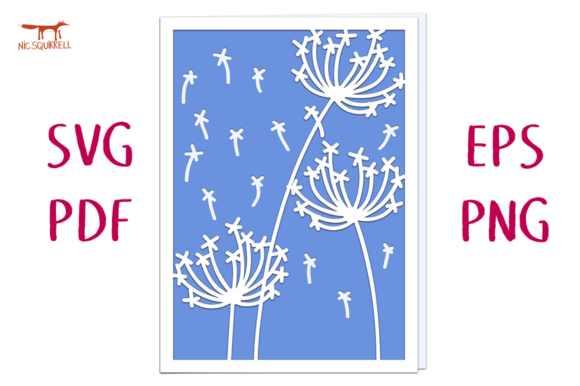
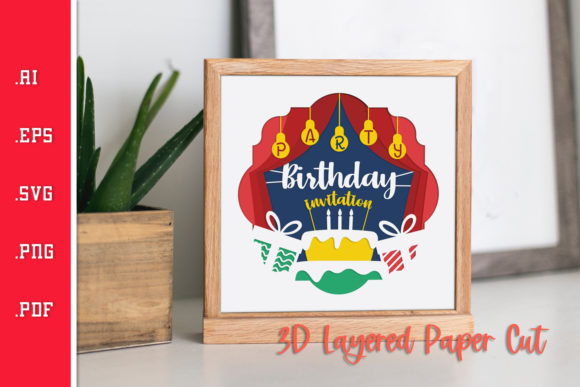
The first thing that strikes me about the Birthday Invitation - Layered Paper Cut is its intentional complexity. Unlike standard flat vector art, this design mimics the trendy aesthetic of 3D layered paper crafting. Visually, it creates a sense of depth and celebration that feels modern and boutique-ready. The layout suggests a festive mood perfect for Birthdays, but the "paper cut" style introduces sharp angles and overlapping elements that demand precision. For an embroidery project, this visual personality is a double-edged sword. It offers high visual appeal and stands out in a crowded market of generic balloon or cake motifs, but those sharp, layered details require careful handling during the digitizing-to-stitch translation.
When I imagine this design stitched out, I see it working beautifully as a focal point. It has the kind of graphic weight that commands attention on a plain background. However, because it relies on the illusion of layers, the success of the final product hinges entirely on how well the stitch types—likely a mix of satin stitch for borders and fill stitch for the planes—are balanced. If the density is too high, the "layers" will merge into a solid, stiff block. If too low, the fabric will show through, ruining the paper-cut illusion.
Real-World Application: From Screen to Stitch
Let's talk about where this design actually lives in a commercial setting. I recently simulated a project for a local boutique needing custom merchandise for a child's birthday party line. The Birthday Invitation - Layered Paper Cut seemed like a prime candidate for a high-end tote bag design or a commemorative sweatshirt embroidery piece. On a sturdy cotton canvas tote, the design's structured lines would hold up well, providing a crisp, professional look that elevates the perceived value of the handmade product.
However, moving this design to stretchy fabrics like a baby onesie or a thin t-shirt requires caution. The overlapping nature of a 3D SVG inspired design means there are likely dense areas where multiple "layers" converge. On a custom apparel item meant for active wear, this could lead to stiffness or discomfort against the skin. For baby embroidery, I would strongly advise testing the flexibility of the finished stitch-out. If the design feels like a cardboard patch rather than integrated embroidery, it might not be suitable for delicate garments, regardless of how good the mockup looks.
For Etsy sellers and craft business owners, the versatility of this asset is key. It works exceptionally well for non-apparel items like pillow covers, kitchen towels, or even framed nursery decor. In these contexts, the structural integrity of the stitches is less about comfort and more about longevity. A personalized gift featuring this design on a tea towel needs to survive the wash cycle without the layers fraying or the fabric puckering around the dense fill areas.
Technical Considerations and Fabric Compatibility
Here is the practical reality check: not every fabric is ready for the Birthday Invitation - Layered Paper Cut. Because the design emulates layered paper, it likely features intricate corners and tight intersections. When working with textured fabrics like waffle weave or heavy denim, those fine details can get lost. The needle might struggle to penetrate multiple layers of thick material combined with high stitch density, leading to broken needles or skipped stitches.
If you are planning to use this on dark fabric, pay close attention to the underlay and the thread colors specified in the embroidery file. Light-colored "paper" layers against a black background need solid coverage to prevent the base fabric from peeking through and breaking the illusion of depth. Conversely, on light fabrics, ensure your stabilizer choice is robust enough to prevent pull-in. A cut-away stabilizer is often safer for designs with this much detail, especially if the finished product is intended for frequent washing.
Curved surfaces present another challenge. Applying this design to a cap or a curved hat brim is risky. The flat, geometric nature of the paper-cut style does not naturally conform to curves. Without proper hooping techniques and possibly a foam topper to lift the stitches, the design could distort, making the "layers" look misaligned. For holiday embroidery gifts or wedding gifts where presentation is everything, I would stick to flat hoops and stable fabrics to guarantee a pristine result.
Enhancing Brand Value and Customer Trust
Ultimately, the choice of design assets reflects on your brand. Using a sophisticated motif like the Birthday Invitation - Layered Paper Cut signals to your customers that you offer something beyond the basics. It adds a layer of professionalism and artistic intent to your small shop product lineup. When a customer receives an embroidered patch or a garment with clean, well-defined layers, it builds trust. They see the effort and the quality, which justifies a higher price point.
However, this only works if the execution is flawless. Poor stitching on a complex design looks worse than poor stitching on a simple one because the expectation is higher. To maintain brand consistency, always run a test stitch-out on scrap fabric that matches your final material. Check the stitch density and inspect small details like tiny lettering or sharp corners. If the design includes text, ensure it is legible at the size you intend to stitch; intricate fonts can easily become unreadable blobs if scaled down too far.
Final Verdict for Designers and Makers
The Birthday Invitation - Layered Paper Cut is a compelling asset for the right project. It shines in applications where structure and stability are prioritized over stretch and drape. For commercial embroidery projects aimed at home decor, accessories, or sturdy apparel, it offers a unique aesthetic that separates your work from the sea of generic clipart.
Before you hit "start" on your machine, remember to verify the technical specifics. Since the product description mentions receiving AI, EPS, PDF, SVG, and PNG files, ensure you have the correct embroidery file format compatible with your machine software. The description notes a zipped folder with these vector and image formats, but it does not explicitly list native machine formats (like PES, DST, or XXX). You may need to digitize the SVG yourself or confirm if separate machine files are included in the full package. Always check licensing terms regarding commercial embroidery usage to ensure you are cleared to sell items made with this design.
In summary, treat this design as a premium element. Respect its complexity by choosing the right hoop size, using high-quality thread to define the layers, and selecting a stabilizer that supports the weight of the stitches. With the right preparation, the Birthday Invitation - Layered Paper Cut can be the centerpiece of a stunning personalized gift or a best-selling item in your online store.