Reviewing P: A 3D Illustration for Modern Shadow Boxes
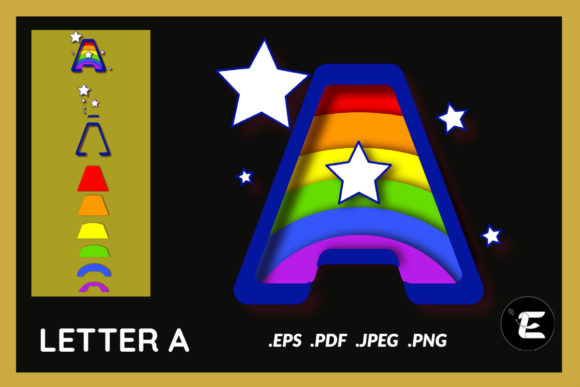
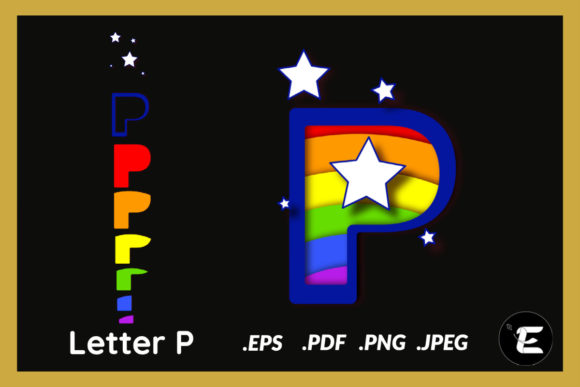
When I first opened the compressed file for P, my immediate reaction wasn't just about the aesthetic; it was about potential. As a designer who spends half their life staring at screens and the other half wrestling with thread tension, I look for files that bridge the gap between digital crispness and tactile reality. This illustration of P in 3D offers a distinct visual personality that feels ready to jump off the fabric. It is not merely a flat graphic; it possesses depth and dimensionality that suggests it belongs in a category like Shadow Boxes, where layering and physical presence are key.
The mood created by this design is bold yet playful. The shapes are clean, avoiding unnecessary clutter that often gets lost in translation when moving from a high-resolution PNG to an actual stitch count. For those of us running small shops or managing Etsy listings, the visual appeal of a product is the first hook. P has that "stop-scroll" quality. Whether you are creating a personalized gift for a nursery or branding merchandise for a boutique, the layout feels intentional. It doesn't scream for attention with chaotic details but holds interest through its structural form.
Real-World Application: From Screen to Stitch
To truly evaluate an embroidery file, you have to imagine it in a real-life scenario. I recently envisioned using P for a custom embroidered tote bag intended for a local craft fair. Tote bags are notoriously tricky; the canvas texture can eat up fine details, and the seams often interfere with hoop placement. However, the robust nature of this 3D illustration suggests it would hold up well here. The design's inherent depth mimics the look of an applique design without necessarily requiring the extra labor of cutting and fusing fabric layers, provided the digitizing supports solid fill areas.
Imagine this same design on a heavyweight sweatshirt. The sweatshirt embroidery market is saturated, but unique, dimensional graphics stand out. P would look fantastic centered on the chest of a crewneck, acting as a statement piece rather than a subtle accent. The high resolution mentioned in the file description ensures that when you create printable mockups for your online store, the edges remain sharp, giving customers a clear expectation of the finished product. This clarity builds trust. When a buyer sees a crisp preview, they assume the physical item will match that quality.
For baby items, the softness of the design theme could work well on a receiving blanket or a bib, though one must always be cautious with baby embroidery regarding scratchy threads. If the design relies heavily on dense stitching to achieve that 3D effect, it might be too stiff for delicate skin. In such cases, I would recommend scaling the design down slightly or adjusting the stitch types to prioritize comfort over maximum density.
Navigating Technical Challenges and Fabric Choices
While the visual promise of P is strong, practical execution requires a critical eye. The description notes this is a set of cut files in formats like .EPS, .PDF, .PNG, and .JPEG. It is crucial to understand that these are primarily vector and raster image formats, often used for cutting machines or printing, rather than native machine embroidery design files like .PES or .DST. If you intend to stitch this out, you must ensure you have the appropriate digitized version or plan to digitize these vectors yourself. Assuming you have access to a compatible embroidery file derived from these assets, here is how to handle the technicalities.
Fabric texture plays a massive role in how 3D elements render. On smooth, tight-weave fabrics like twill or broadcloth, the definition of P will be sharpest. However, if you attempt this on a textured linen or a looped terry cloth towel, the "3D" illusion might get muddy. The shadows and highlights built into the illustration need a flat canvas to shine. Furthermore, when working with stretchy fabrics like jersey knits, the stability of the design is paramount. A design with significant coverage needs a robust stabilizer—likely a cut-away rather than tear-away—to prevent puckering and distortion after washing.
Curved surfaces present another hurdle. If you are planning to put P on a cap, the center front panel is the only viable option, and even then, the curvature can distort the perspective of a 3D illustration. What looks straight on a screen might appear to lean or warp on a dome-shaped hat. I always advise running a test stitch on a scrap piece of the actual garment material before committing to a client order. This is non-negotiable for maintaining professionalism.
Enhancing Brand Value and Customer Perception
The choice of design directly impacts your brand consistency. Using a high-quality asset like P signals to your customers that you care about the details. In the world of commercial embroidery, perception is reality. A design that looks amateurish or pixelated in a mockup can kill a sale before it happens. Conversely, a design with strong lines and clear intent, like this 3D SVG style illustration, elevates the perceived value of the handmade product.
Consider the color palette. While the file likely comes in specific colors, part of the designer's job is to adapt. Does P work in monochrome? Testing the design in black and white mockups is a great way to check contrast and readability. If the design relies solely on color gradients to define its shape, it might fail when stitched in a single thread color or on a dark fabric where contrast is low. Ensuring that the thread colors you choose provide sufficient separation between the foreground and background is essential for stitching clarity.
For Etsy sellers and creative entrepreneurs, the versatility of a design determines its ROI (Return on Investment). Can P be used for holiday gifts? Absolutely. A set of kitchen towels featuring this illustration could make a charming housewarming present. Is it suitable for wedding gifts? Perhaps as part of a larger monogrammed suite. The key is recognizing where the design fits naturally without forcing it. Don't try to squeeze a complex 3D graphic onto a tiny pocket; respect the hoop size limitations of your machine and the visual breathing room the design needs.
Final Verdict and Designer Notes
In conclusion, P offers a compelling blend of modern aesthetics and practical application potential. Its strength lies in its dimensional appearance, which translates well to various mediums, particularly those benefiting from a layered look like shadow boxes or heavy apparel. However, success depends entirely on preparation.
- Verify File Compatibility: Since the package includes .EPS, .PDF, .PNG, and .JPEG, confirm if you need to convert these to embroidery formats or if a separate stitch file is included. Do not assume image files are ready to stitch.
- Test Stitch Density: Before selling, stitch a sample to check if the density is too high for your chosen fabric, which can cause needle breakage or fabric tearing.
- Check Licensing: Always review the license terms provided with the download. Ensure you are permitted to use the design for commercial purposes if you plan to sell finished items or digital derivatives.
- Contrast Check: Evaluate how the design looks on both light and dark backgrounds. You may need to add a backing or underlay stitch if using it on dark garments.
- Small Details: Inspect tiny corners or thin lines. These are the first areas to lose definition during stitching and may require manual editing in your embroidery software.
Ultimately, P is a solid addition to a designer's library of design assets. It invites creativity and offers a professional finish that can enhance any embroidery project. By approaching it with a critical eye for detail and a respect for the materials, you can transform this digital illustration into a tangible product that delights customers and strengthens your brand reputation.