Reviewing Jasmine Giant Paper Flower Templates for Stitch
As a designer who spends more time staring at stitch maps than most people spend looking at actual flowers, I approach new machine embroidery design files with a healthy dose of skepticism. We have all been there: you buy a beautiful digital embroidery file, load it onto your machine, and realize halfway through that the density is wrong or the details are too fine for the intended fabric. That is why I took a close look at the Jasmine Giant Paper Flower Templates not just as a paper crafting asset, but as a potential blueprint for high-end textile work.
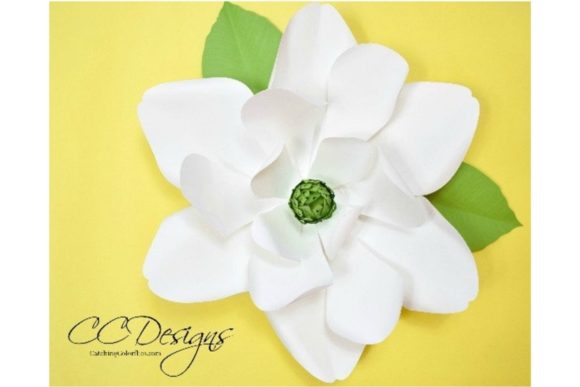
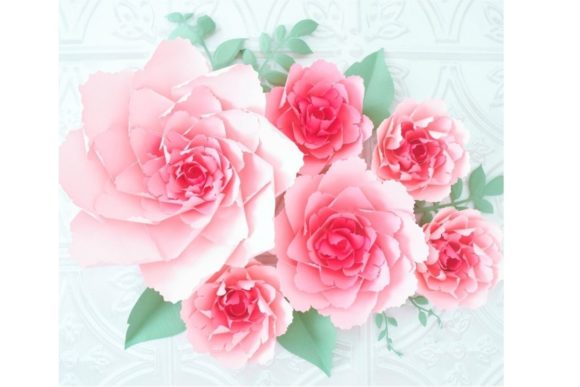
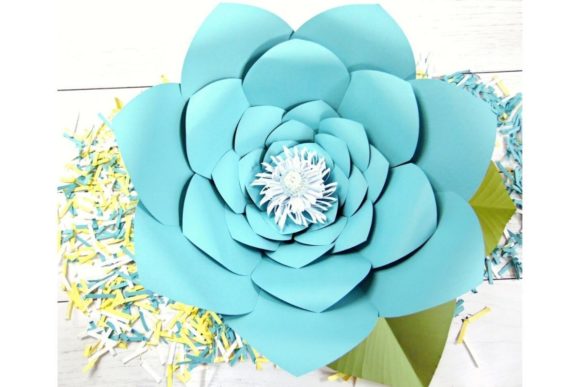
At first glance, this product screams "boutique elegance." The mood it creates is soft, romantic, and slightly vintage. The layout features a large, open bloom accompanied by a leaf, which suggests a design that needs space to breathe. While the product description highlights its use for Paper Flowers and includes 3D SVG cut files, my brain immediately started translating those vector lines into satin columns and fill stitches. The visual personality of the jasmine flower is delicate; it relies on the curve of the petals and the organic flow of the stem. In an embroidery project, this translates to a need for smooth curves and careful color transitions.
Visualizing the Finished Product in Real Scenarios
To truly evaluate the potential of these templates, I imagined a specific real-life scenario. Picture a local boutique owner who wants to launch a spring collection of custom linen tote bags. They need something that looks hand-drawn but feels premium. This is where Jasmine Giant Paper Flower Templates could shine if adapted correctly. The large scale of the "Giant" template means it would dominate the front of a tote bag, creating an immediate focal point.
Imagine stitching this onto a heavy canvas tote bag design. The leaf element provides a nice counterbalance to the roundness of the flower. If executed with a mix of long and short satin stitch for the petals and a textured fill stitch for the center, the result would be a tactile, dimensional piece. For a sweatshirt embroidery project, this design could be scaled down slightly and placed on the upper back or as a large chest logo. The organic shape works exceptionally well for custom apparel because it doesn't feel rigid or industrial like geometric logos often do.
However, we must consider the source material. Since the original files are intended for paper cutting and include printable PDFs and PNGs, they are not native embroidery file formats like PES or DST. This is a crucial distinction. As a professional, I see this as an opportunity to create a custom applique design. You could use the SVG cut files to cut the flower shape from a contrasting fabric, fuse it to the garment, and then embroider over the edges. This technique adds incredible value to the finished product, making it suitable for high-ticket items like wedding gifts or nursery decor.
Navigating Fabric Textures and Technical Challenges
Every design has its kryptonite, and for a floral motif with potentially fine details, fabric choice is everything. If you are planning to use the concepts from Jasmine Giant Paper Flower Templates on a stretchy jersey knit for baby embroidery, you need to proceed with caution. The detailed corners of the petals can easily get lost or puckered if the fabric shifts. A sturdy stabilizer is non-negotiable here. I would recommend a cut-away stabilizer for any garment that will be washed frequently, ensuring the handmade product retains its shape over time.
Dark fabrics present another challenge. The jasmine flower is typically associated with light, airy colors. If you stitch white thread on a black hoodie, the contrast is striking, but you must ensure the stitch density is high enough to prevent the background fabric from showing through the gaps. Conversely, on a dark fabric, a lighter thread might require an underlay stitch that is robust enough to act as a barrier. For curved surfaces like caps, the large size of the "Giant" template might be problematic unless you are using a very large hoop and have experience with 3D puff embroidery to lift the design off the structured front panel.
There are also limitations regarding small hoop sizes. If your machine only supports a 4x4 inch hoop, the "Giant" aspect of these templates will require you to split the design or significantly reduce the scale, which risks losing the integrity of the petal shapes. Always check the dimensions provided in the template files before committing to a specific hoop size.
Enhancing Brand Value and Customer Trust
For Etsy sellers and creative entrepreneurs, the perceived value of a product often hinges on the complexity and uniqueness of the design. Using a distinct floral motif like this can elevate a simple pillow cover into a piece of art. When a customer sees a well-executed floral embroidery, they associate it with craftsmanship and care. This builds customer trust and encourages repeat business.
If you are selling commercial embroidery services, consistency is key. The clean lines of the jasmine template allow for brand consistency across different products. Whether it is an embroidered patch for a uniform or a decorative accent on a kitchen towel, the recognizable shape becomes part of your visual identity. Furthermore, because the original product includes video tutorials and step-by-step instructions for paper assembly, it shows that the creator understands the anatomy of the flower. This attention to detail in the source material gives me confidence that the shapes are botanically plausible, which translates to a more professional look in thread.
Practical Notes for the Working Designer
Before you rush to digitize or adapt Jasmine Giant Paper Flower Templates for your next job, here are some practical steps I recommend based on years of trial and error:
- Test on Scrap First: Never run a new design on client fabric without a test run. Use a scrap piece of the exact same material to check for puckering.
- Check Thread Contrast: Play with thread colors in your software. Sometimes a monochromatic look (different shades of the same color) works better for subtle textures than high-contrast rainbow threads.
- Review Stitch Density: If you are converting the SVG to an embroidery file, ensure the density isn't too high, which can cause the thread to break or the fabric to bunch.
- Inspect Small Details: Zoom in on the petal tips. In paper cutting, a sharp point is fine; in embroidery, it might need to be slightly blunted to prevent thread fraying.
- Mockup Verification: Create black and white mockups to see how the design reads without the distraction of color. This helps identify if the shape holds up on its own.
- Licensing Check: The product description mentions templates and cut files. Before selling finished items or digital derivatives, confirm the licensing terms. Can you sell the embroidered goods? Can you resell the digitized file? Always clarify this to protect your craft business.
In conclusion, while Jasmine Giant Paper Flower Templates are marketed for paper crafters, their structural beauty offers a goldmine for embroidery designers willing to put in the translation work. The design fits naturally into markets seeking romantic, botanical, and handmade aesthetics. Whether you are creating a one-of-a-kind personalized gift or stocking inventory for a small shop product line, this floral motif has the versatility to perform well, provided you respect the technical limits of your machine and fabric. It is a reminder that great design transcends medium; a beautiful flower is beautiful whether it is cut from cardstock or stitched with silk.