Review: 3D Layered SVG Bear for Real Projects
As a designer who spends more time staring at stitch maps than most people spend watching television, I approach every new digital embroidery file with a mix of curiosity and skepticism. We have all been there: you download a cute design, load it onto your machine, and halfway through the second color change, you realize the density is going to turn your soft cotton into a cardboard shield. That is why I took a close look at the 3D Layered SVG -Multilayered SVG Bear before committing it to a client project. This isn't just about whether the bear looks cute on a screen; it is about how this 3D SVG translates into a tangible, high-quality handmade product that holds up under scrutiny.
First Impressions and Visual Personality
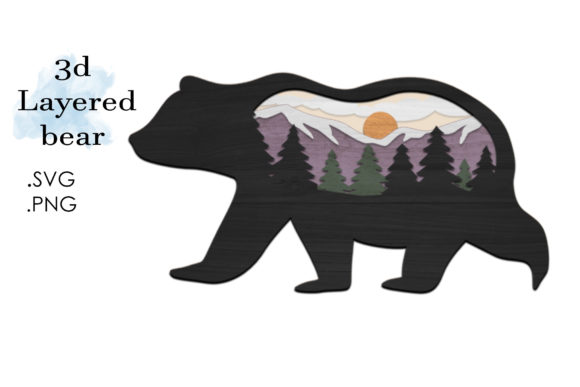
When I first extracted the files from the zip folder—remember, you get one SVG and one PNG—the immediate impression was one of playful depth. Unlike standard flat vector art, this design is built with layering in mind, which suggests it is intended for more than just simple line work. The mood is whimsical yet structured, perfect for projects that need a touch of dimension without becoming overly bulky. The shape of the bear is friendly and rounded, avoiding sharp, difficult-to-stitch corners that often cause thread breaks or bird nests in smaller hoops.
The layout feels intentional. It screams "modern nursery" or "boutique children's wear." If you are an Etsy seller looking to differentiate your small shop product from the sea of generic imports, this kind of layered aesthetic offers a custom feel. It works exceptionally well as a focal point for a tote bag design or a centerpiece on a sweatshirt embroidery project. The visual personality strikes a balance between professional polish and handmade charm, which is exactly what buyers are looking for when they purchase a personalized gift.
Real-World Application: The Boutique Sweatshirt Test
To truly evaluate the 3D Layered SVG -Multilayered SVG Bear, I imagined a specific real-life scenario: creating a limited run of custom hoodies for a local boutique's autumn collection. The goal was to create a custom apparel item that felt premium but remained comfortable. In this context, the layered nature of the design shines. By treating the different SVG layers as separate color blocks, you can achieve a pseudo-3D effect using thread variance alone, even if you aren't doing actual foam appliqué.
For a sweatshirt embroidery project, the design's scale seems appropriate for a chest placement or a large back graphic. However, because this is a digital asset meant for versatility, I also considered its use in Shadow Boxes. While my primary focus is textile, the clean lines of the SVG make it equally viable for paper crafting or vinyl cutting if you diversify your craft business. But sticking to textiles, the bear would look incredible on a heavy-weight fleece. The key here is how the design handles the transition between layers. If the gaps between layers are too tight, the fabric might pucker; if they are too wide, the underlying fabric shows through awkwardly. This design appears to have enough breathing room to accommodate the natural expansion and contraction of knit fabrics.
Navigating Fabric Textures and Hoop Constraints
Every experienced embroiderer knows that the fabric dictates the success of the embroidery project. With the 3D Layered SVG -Multilayered SVG Bear, you need to be mindful of where you place it. On textured fabrics like waffle knits or terry cloth towels, the finer details of the layers might get lost. I would recommend saving this for smoother surfaces like twill, denim, or high-quality cotton blends where the stitch density can lay flat and crisp.
There are also constraints regarding hoop sizes. Since this is a multilayered design, it likely requires a medium to large hoop to capture the full extent of the layers without excessive jumping or re-hooping. If you attempt to shrink this down for a baby embroidery project on a tiny onesie pocket, you risk losing the definition of the layers. Tiny lettering or intricate inner details often vanish when scaled down below three inches. Furthermore, curved surfaces like caps present a challenge. The structured front panel of a cap might work, but the curvature could distort the layered effect, making the bear look stretched. For embroidered patch creation, however, this design is a strong contender, provided you use a stiff cut-away stabilizer to maintain the shape.
Enhancing Value and Customer Trust
Why does the choice of design matter for your bottom line? Because the finished product is a reflection of your brand consistency. Using a well-constructed machine embroidery design like this bear signals to your customers that you care about quality. When a customer receives a holiday embroidery gift or a wedding favor that features clean edges, consistent thread colors, and no puckering, their trust in your brand increases. This design has the potential to elevate the perceived value of a simple pillow cover or tea towel into a keepsake item.
Visual appeal is driven by clarity. In a multilayered design, the distinction between the satin stitch borders and the fill stitch interiors must be sharp. If the digitizing is poor, these areas bleed into each other. Based on the preview of the 3D Layered SVG -Multilayered SVG Bear, the separation looks distinct, which aids in buyer engagement. People stop scrolling when they see depth and texture in a static image. For printable mockup creation or social media previews, this design offers excellent photogenic qualities, allowing you to showcase the texture of the threads effectively.
Practical Notes for the Professional Maker
Before you rush to list this as a new item in your shop, here are some practical steps I recommend taking. First, always test the design on scrap fabric that matches your final material. Check the thread color contrast; sometimes two shades of brown look identical on screen but blend too much when stitched. Review the stitch density settings in your software. If the design feels too dense for your chosen fabric, you may need to adjust the pull compensation or reduce the density slightly to prevent stiffness.
Confirm your hoop size capabilities before starting. Since the product description notes this is an instant digital download containing SVG and PNG files, ensure your embroidery machine software can import the SVG correctly to generate the necessary stitch file, or verify if a specific embroidery format is needed for your machine brand. Inspect small details closely; are there any isolated stitches or jump stitches that need trimming? Test the design in both light and dark fabric backgrounds. A dark bear on a black sweatshirt might need a backing layer to pop.
Finally, consider the licensing. As a commercial embroidery asset, you must confirm the terms before selling finished items or using it in design assets for clients. Does the license allow for unlimited physical sales? Are there restrictions on digital redistribution? Always read the fine print included in the zip file. By taking these precautions, you ensure that the 3D Layered SVG -Multilayered SVG Bear becomes a reliable staple in your production lineup rather than a source of headaches. With the right preparation, this design is poised to become a favorite for creators who value both aesthetics and functionality.