Pizza: A 3D SVG Shape for Modern Design
When I first opened the compressed file for this Pizza illustration, my immediate thought was about its potential in a crowded market of food-related branding. As a designer who frequently handles projects for local eateries, food trucks, and artisanal product lines, I am always looking for assets that strike a balance between playful charm and professional polish. This specific asset, categorized under Shapes, offers a compelling 3D SVG structure that feels ready for immediate integration into high-stakes client work.
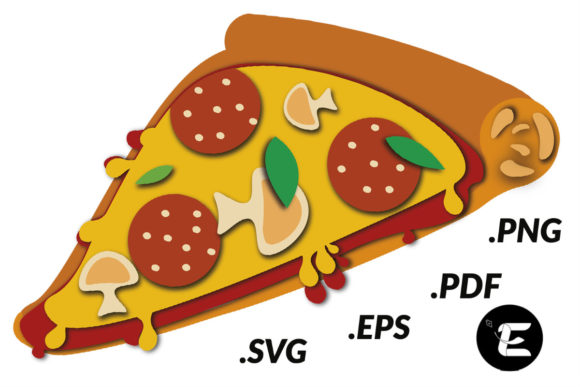
The visual mood created by this slice is undeniably warm and inviting. It captures the essence of comfort food without relying on clichéd, low-resolution clipart often found in free repositories. The styling suggests a modern design approach, utilizing depth and shading to create a tangible feel that works exceptionally well for handmade businesses and small business branding. If you are developing a brand identity for a boutique pizzeria, a gourmet frozen food line, or even a seasonal campaign for a community event, this graphic design asset provides a strong foundational element.
Evaluating Versatility Across Client Deliverables
In a recent project for a startup food truck, I needed a central icon that could scale from a vehicle wrap down to a social media avatar. This is where the utility of a true 3D SVG becomes apparent. Unlike raster-only images, the vector nature of this file allows for infinite scalability without losing edge definition. I tested the Pizza shape across various mediums: logo design, product labels, and packaging design. The result was a cohesive visual language that felt intentional rather than assembled.
For marketers and content creators, the adaptability of this illustration is a significant advantage. It performs robustly as a hero graphic on landing pages or as a decorative accent in editorial design layouts. When used in Canva templates for social media graphics, the clean lines ensure that the image remains crisp even when compressed for Instagram posts or Pinterest pins. Furthermore, for those running an Etsy shop or engaging in print-on-demand services, this asset translates beautifully onto physical goods. I can envision it working effectively as a sublimation design for mugs, a sticker design for laptop decals, or a t-shirt design for staff uniforms.
The inclusion of multiple formats—.SVG, .PDF, .PNG, and .EPS—means that whether you are a Cricut user cutting vinyl for storefront windows or a publisher preparing high-res files for commercial print, the technical requirements are met. This flexibility turns a simple illustration into a comprehensive digital product suitable for a wide design bundle.
Strategic Placement and Visual Hierarchy
Understanding where to place this asset is crucial for maintaining visual hierarchy. The Pizza illustration shines in large layout areas and product mockups where its three-dimensional qualities can be fully appreciated. It serves as an excellent focal point for themed collections or campaign visuals, drawing the eye immediately to the subject matter. In packaging design, it works wonders as a primary identifier on the front of a box, signaling flavor and quality instantly.
However, professional judgment dictates knowing when to hold back. While the detail in this 3D SVG is impressive, it should be used carefully in very small sizes, such as favicon icons or intricate footer details, where the shading might muddy the visual clarity. It is also less suitable for minimalist branding projects that require ultra-clean, flat visual hierarchy, or for professional corporate materials that demand a strictly conservative aesthetic. In crowded layouts, the depth of the slice might compete with text; therefore, ensuring adequate white space around the element is essential for readability.
Impact on Brand Perception and Engagement
The emotional appeal of food imagery is powerful, and this specific rendering leverages that psychology effectively. It enhances audience engagement by triggering associations with warmth, sharing, and satisfaction. For a client, this translates to increased visual trust and recognition. When consumers see a high-quality, well-rendered image, they subconsciously attribute that level of care to the product itself. This asset helps elevate the overall impression of a design project, moving it from "amateur" to "established brand."
Consistency is key in brand identity. By using this Pizza shape across marketing visuals, web design elements, and printable designs, you create a unified thread that ties the customer journey together. Whether it appears on a digital ad or a physical flyer, the consistent style reinforces brand recall.
Practical Designer Notes for Commercial Use
Before integrating this asset into a final client deliverable, there are several practical steps I recommend taking to ensure professional results:
- Test in Monochrome: Always preview the design in black and white to ensure the contrast holds up without color reliance, which is vital for faxed documents or single-color merchandise.
- Check Background Contrast: Verify how the PNG design transparency interacts with both light and dark backgrounds to avoid halo effects or loss of detail.
- Scale Testing: Preview the SVG design at extremely small and large sizes to confirm that the vector paths remain clean and the shading does not pixelate or blur.
- Mockup Integration: Place the illustration on real product mockups early in the process to judge its proportion and impact in a realistic setting.
- Typography Pairing: Experiment with pairing this shape against serif fonts for a classic feel, sans serif fonts for modernity, or script and handwritten fonts for a playful, artisanal vibe. Avoid overly complex display fonts that might clash with the detailed nature of the slice.
- Licensing Verification: Always confirm the commercial license terms before using any creative marketplace asset for a paid client project or business venture.
Ultimately, this illustration represents a versatile tool in the modern designer's toolkit. It bridges the gap between whimsical creativity and commercial viability. For anyone looking to enhance their creative design portfolio or launch a new handmade business, leveraging a high-quality asset like this can significantly streamline the production of professional-grade marketing materials.